How to Increase ROAS: Proven Strategies for ROAS Optimization and Improving Your Return on Ad Spend
Written by: Ryan Johnson
Hey, if you're running ads and feeling like your budget's vanishing into thin air without the returns you deserve, you're not alone. I've been there—pouring money into campaigns only to scratch my head over lackluster results. But here's the good news: by focusing on ROAS optimization, you can turn things around fast. In this guide, we'll dive deep into everything you need to know about Return on Ad Spend (ROAS), from the basics to advanced strategies that will help you increase ROAS and improve ROAS like never before. Let's make your ads work harder for you.
What's on this page?
- What is ROAS in Marketing?
- What Does ROAS Stand For? Define ROAS.
- ROI vs ROAS: What's the Difference?
- How is ROAS Calculated? The ROAS Formula in Digital Marketing
- ROAS Google Ads: Best Practices
- How to Calculate Break Even ROAS
- Improve ROAS: Strategies to Increase ROAS and Achieve Higher ROAS
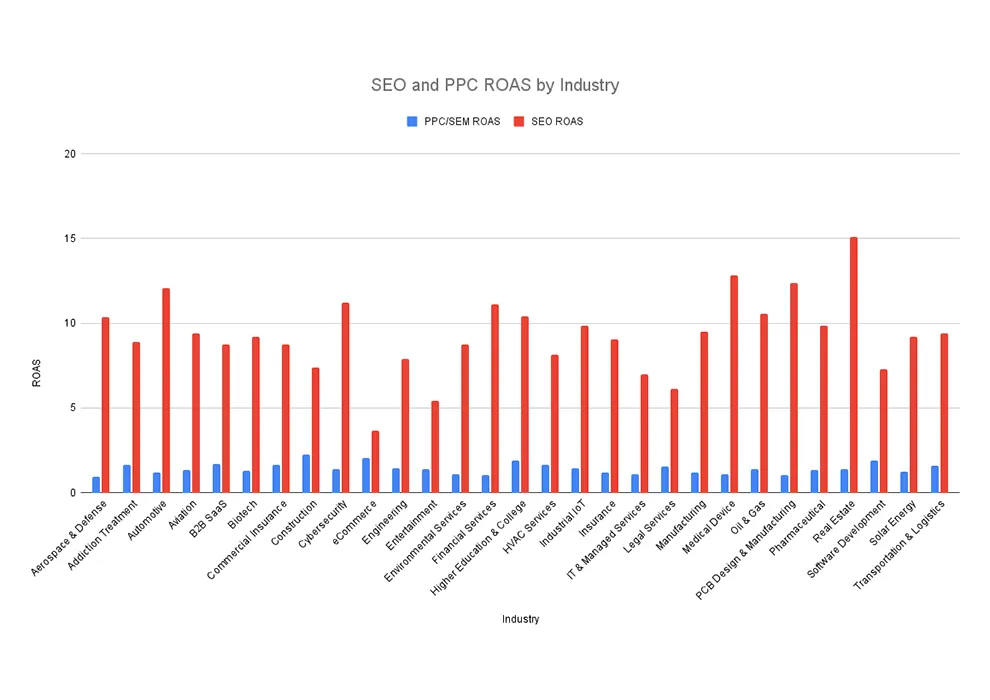
- ROAS Benchmarks by Industry in 2025
- What is a Good ROAS for Ecommerce?
- ROAS Examples: Real-World Wins
- Target CPA vs Target ROAS: Which to Choose?
- ROAS Analysis: Techniques to Master Your Metrics
What is ROAS in Marketing?
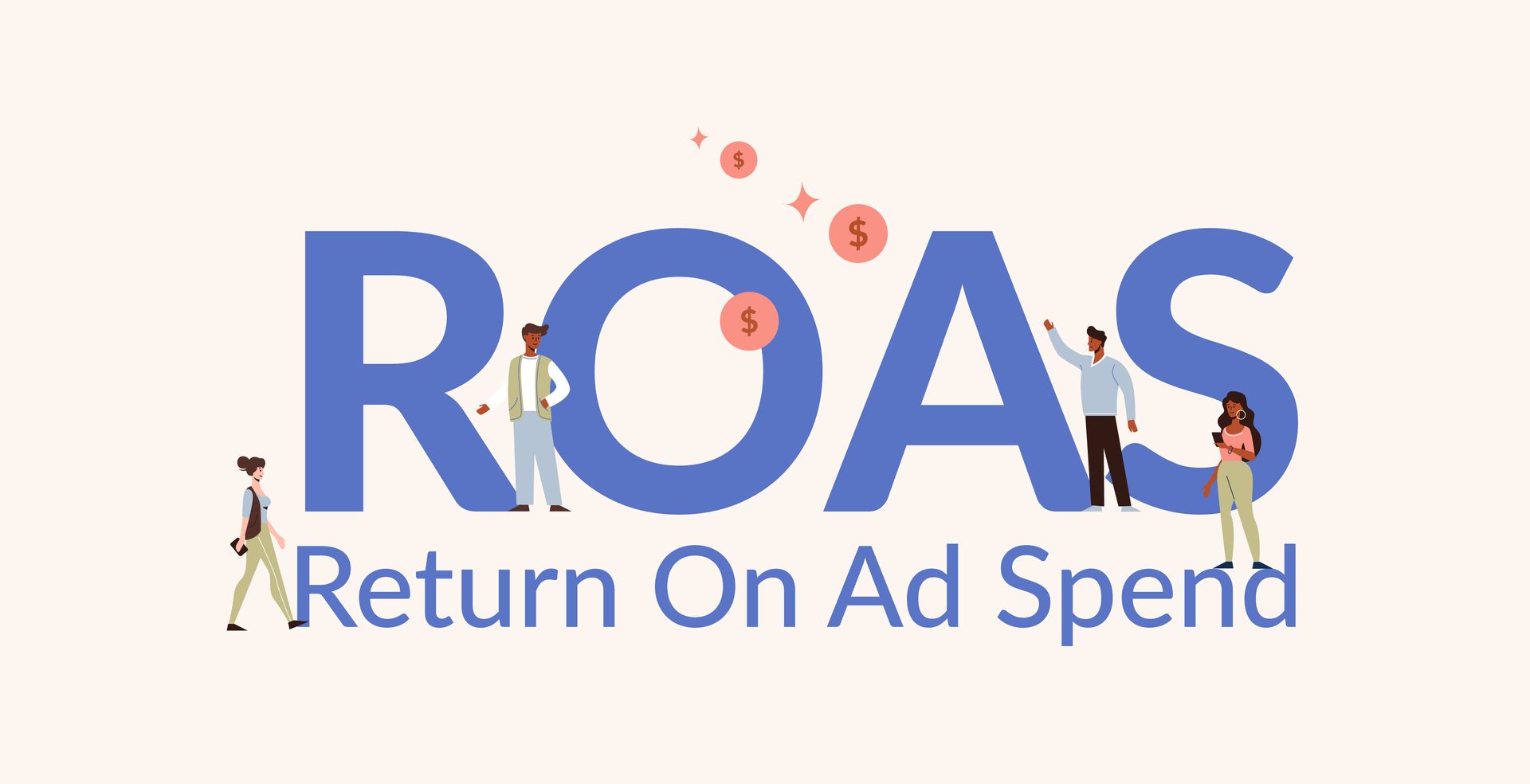
ROAS stands for Return on Ad Spend. It's that crucial number telling you exactly how much revenue you're getting back for every dollar you drop on advertising. Think of it as your ad campaign's report card—if it's high, you're acing it; if it's low, time to hit the books (or in this case, optimize).
In marketing, ROAS helps you measure the bang for your buck from specific campaigns. Unlike broader metrics, it zooms in on your ad efficiency, so you know what's working and what's wasting cash. We do this as part of our Conversion Optimization services.
What Does ROAS Stand For? Define ROAS.
ROAS is short for Return on Ad Spend. Simply put, it's the revenue generated divided by the ad spend. If you spend $1,000 on ads and make $5,000 in sales from them, your ROAS is 5:1—or $5 back for every $1 spent. It's a straightforward way to gauge if your ads are profitable.
ROI vs ROAS: What's the Difference?
You might be wondering, "Isn't this just like ROI?" Not quite. ROI (Return on Investment) looks at your overall profitability, factoring in all costs—like production, overhead, and more. ROAS, on the other hand, is laser-focused on your ad spend alone. It's great for tweaking campaigns, while ROI gives the big-picture view of your business health.
For example, a high ROAS might mean your ads are killing it, but if other costs are eating your profits, ROI could still be low. Use both to get the full story.
How is ROAS Calculated? The ROAS Formula in Digital Marketing
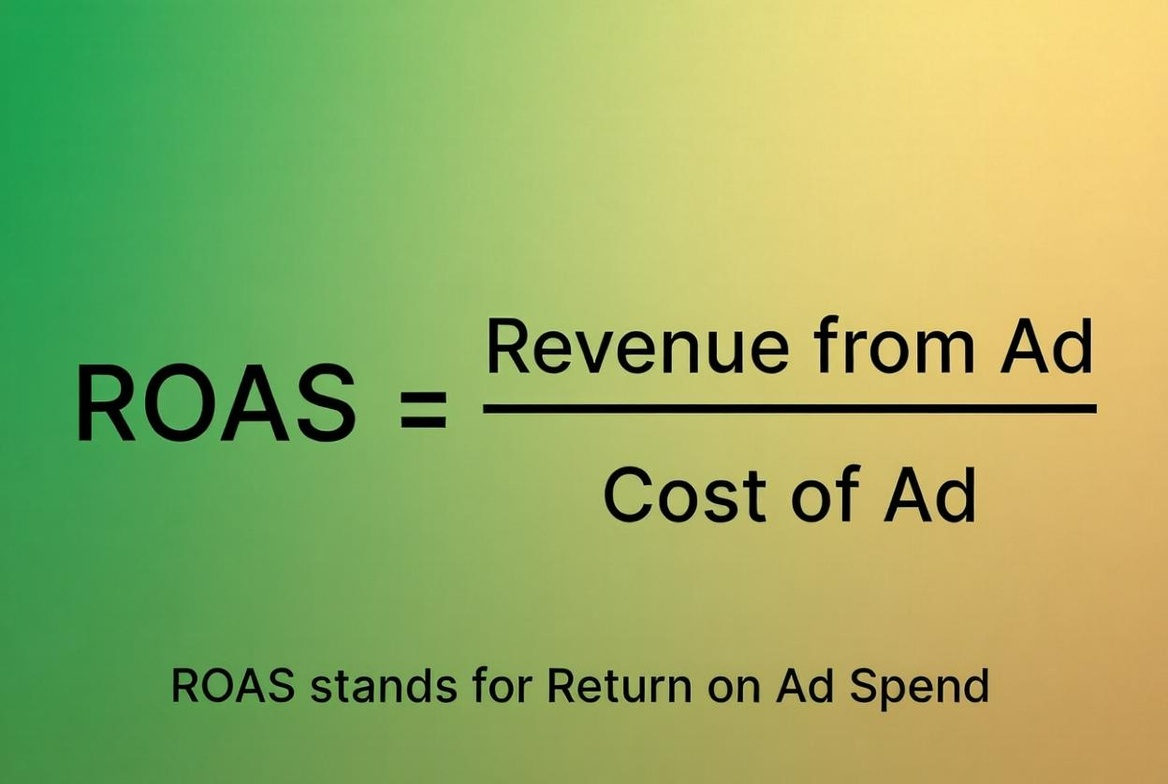
Calculating ROAS is dead simple: ROAS = Revenue from Ads / Ad Spend.
Say your campaign brings in $10,000 in revenue and costs $2,000—your ROAS is 5. Multiply by 100 for a percentage: 500%. Easy, right? But remember, track only revenue directly tied to those ads for accuracy.
ROAS Google Ads: Best Practices
Google Ads is a ROAS powerhouse if you play it right. Use Target ROAS bidding to let Google's AI optimize for your desired return. Start with at least 15-30 conversions in the last 30 days for best results.
Pro tips: Organize your account well, spy on competitors, track conversions meticulously, and test ad creatives relentlessly. Focus on high-intent keywords and refine your audience targeting to boost that ROAS.
How to Calculate Break Even ROAS
Break-even ROAS is where your revenue equals your costs—no profit, no loss. The formula? Break-even ROAS = 1 / Gross Margin.
If your gross margin is 25% (0.25), you need a 4:1 ROAS to break even. Factor in product costs, shipping, and other expenses. Use this to set minimum targets and avoid losing money on ads.
Improve ROAS: Strategies to Increase ROAS and Achieve Higher ROAS
Want to improve ROAS? Focus on the levers that matter. From the Power Law of CRO, doubling your conversion rate can supercharge profits and let you outbid competitors without breaking the bank.
Here are proven ways to increase ROAS:
- Add negative keywords: identify and eliminate irrelevant search terms that waste your Google Ads budget.
- Refine audience targeting: Use lookalikes and retargeting to hit people ready to buy.
- Optimize ad creatives: Test visuals and copy that speak directly to pain points.
- Boost conversion rates: Improve landing pages with faster loads and clear calls to action.
- Leverage data: Use first-party data and AI bidding for smarter spends.
- Build loyalty: Increase lifetime value through upsells and retention programs.
Case in point: One e-commerce brand jumped from 15x to 35x ROAS by optimizing Facebook ads with AI. Apply these, and watch your ROAS soar.
ROAS Benchmarks by Industry in 2025
What's a good ROAS? It varies. For e-commerce, aim for 4-6x; B2B SaaS might be happy with 3-5x. Overall average? Around 2.87x, but push higher for profits.
| Industry | Average ROAS |
|---|---|
| E-commerce & Retail | ~1.73x |
| Marketing Agencies | 1.51x-3.16x |
| Medical Services | 1.3x |
| Affiliate (Travel) | Varies by sector |
Use these as starting points—your break-even will dictate what's "good" for you.
What is a Good ROAS for Ecommerce?
For e-commerce, a solid ROAS is 4x or higher—meaning $4 back per $1 spent. But if your margins are slim, you might need 6x+ to thrive. Track your AOV and CAC to fine-tune.
ROAS Examples: Real-World Wins
Take InflataFish: They boosted conversion rate from 1% to 1.5%, slashing CPC by 40% and more than doubling ROAS. Result? Market domination.
Another: A fashion retailer hit 3x ROAS using cross-channel optimization. Or Loftie, who used Amazon Ads' contextual targeting to lift ROAS significantly.
Target CPA vs Target ROAS: Which to Choose?
Target CPA focuses on cost per acquisition—great for volume. Target ROAS targets revenue return—ideal when values vary. If your products have different prices, go ROAS. Tests show ROAS edges out for 54% of accounts.
ROAS Analysis: Techniques to Master Your Metrics
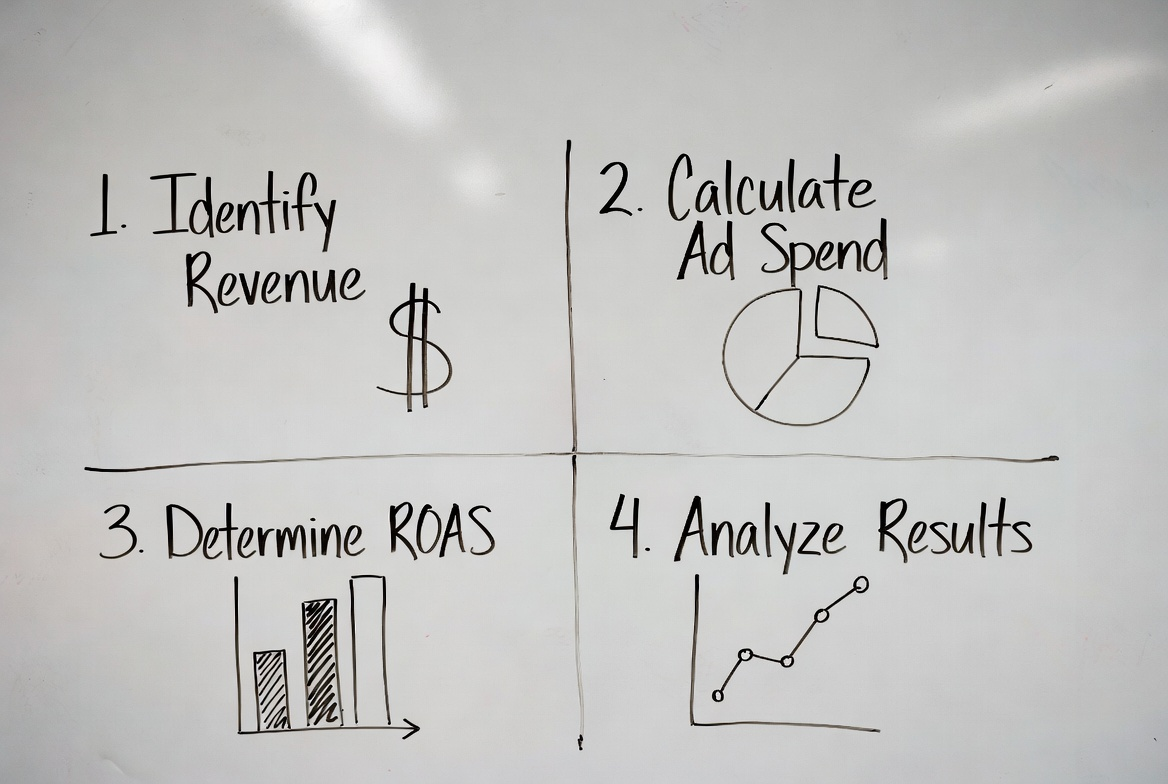
Analyze ROAS by breaking it into CR, LTV, and CPC. Use regression for ad spend vs. sales. Forecast with historical data and run scenario tests. Tools like analytics platforms help spot trends and optimize.
Ready to Supercharge Your ROAS?
You've got the tools now—definitions, formulas, strategies, and real examples to increase ROAS and master ROAS optimization. Start by calculating your current ROAS, identify weak spots, and apply one strategy today. Imagine the freedom of ads that pay for themselves and then some. What are you waiting for? Dive in and watch your business grow.
If you're serious about improving ROAS, consider working with us. Your ad dollars deserve better—make it happen.